© Medina Factory
Dar El Mouhit
FR EN ع
Sala el Bali · سلا

The Medina of Salé

The old city. Sala el Bali.

The old city

What tourism
bypassed

Salé is a city that tourism forgot — or rather, bypassed. Its thousand-year-old medina, its whitewashed alleys, its Andalusian mausoleums: all of it exists, intact, a few minutes’ walk from the Atlantic.

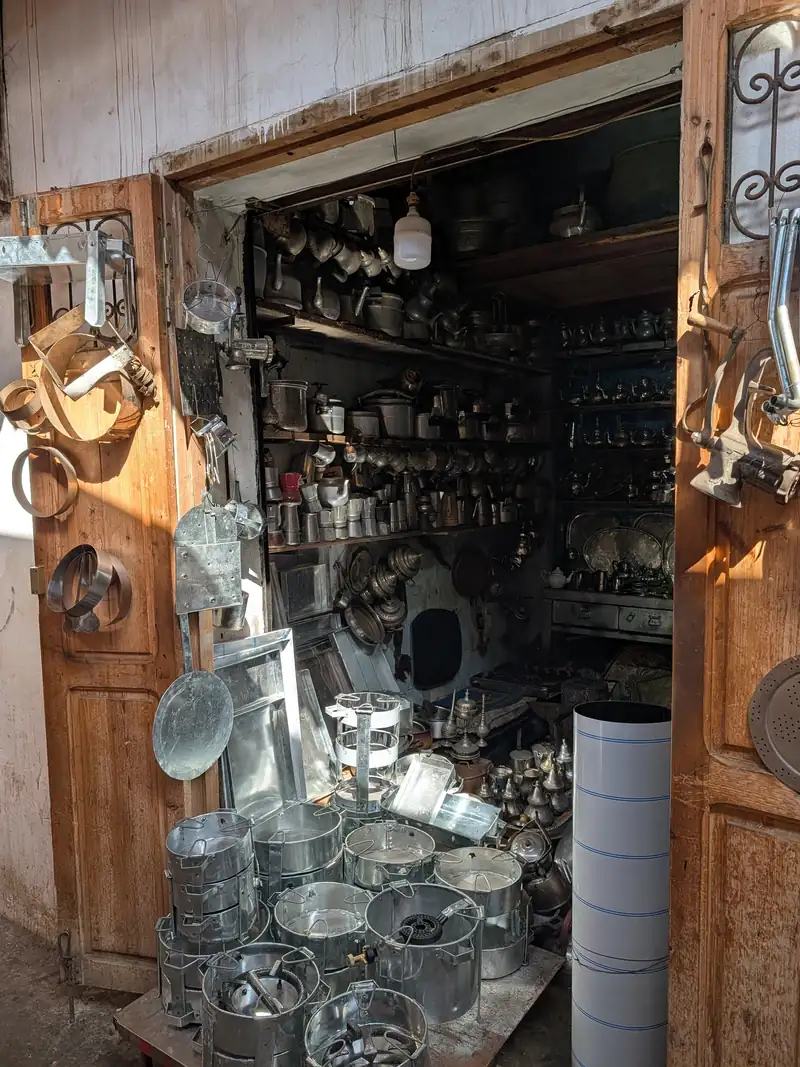
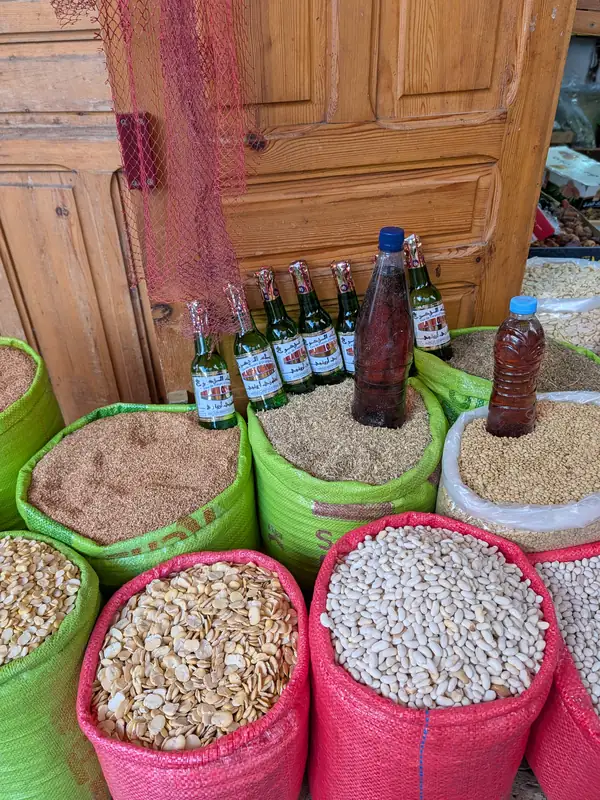
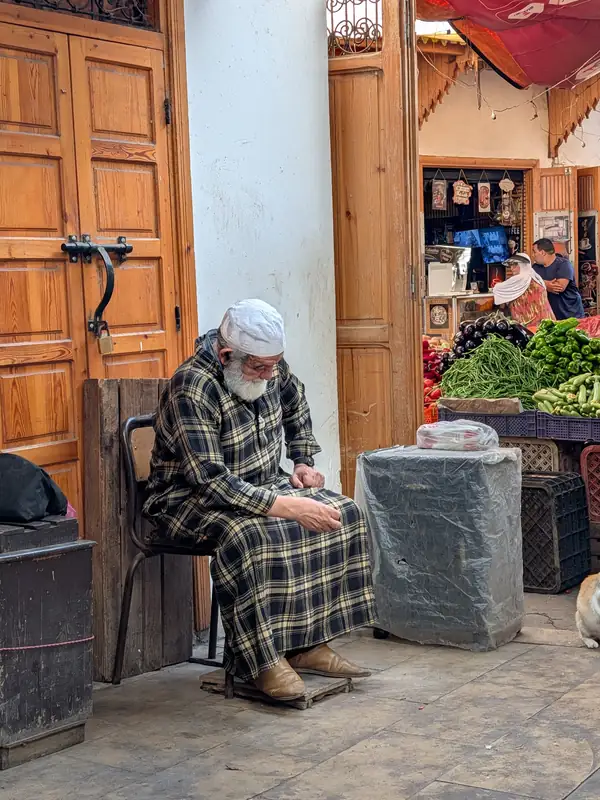
This is not a museum-medina. Its crafts — weaving, leatherwork, pottery — existed before tourism and carry on without it. It is a medina that works, and that lets itself be watched living.

Salé, north bank of the Bouregreg, facing Rabat. Ten centuries of medina on the edge of the Atlantic — and one of Morocco’s cities least touched by mass tourism.

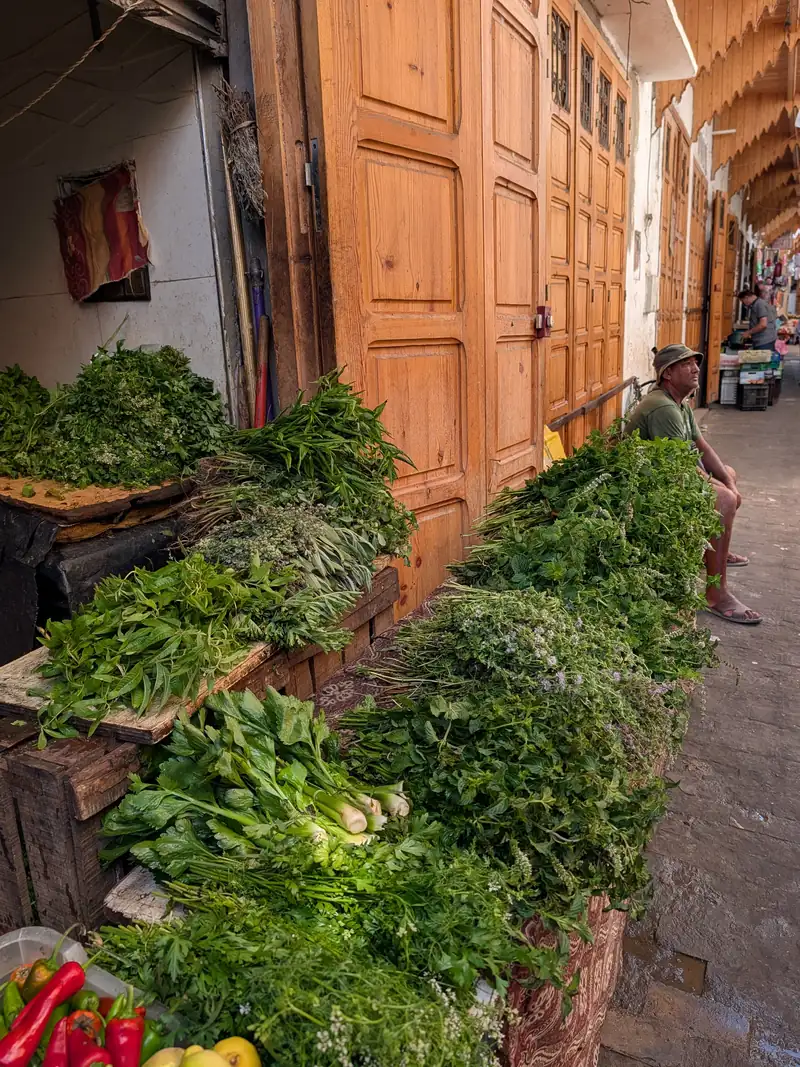
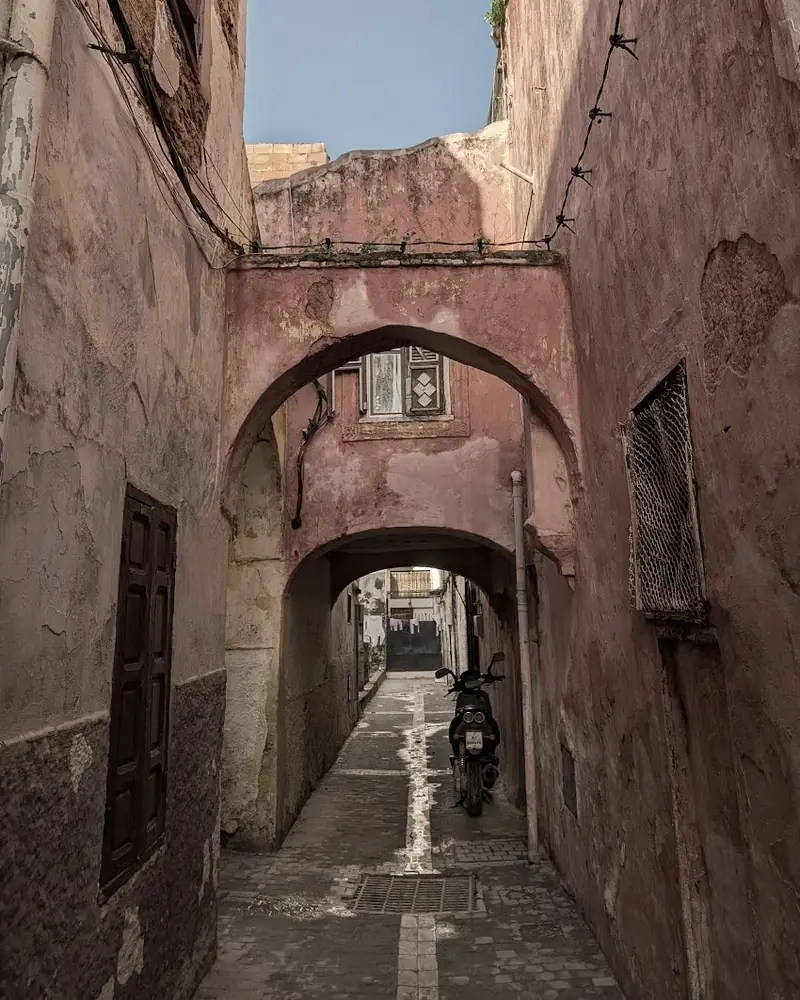
Ruelle de la médina de Salé © Medina Factory
سلا

Whitewashed alleys, low thresholds, cream plaster — the medina, day to day.

Two banks, one river

Sala el Bali —
two cities, one history

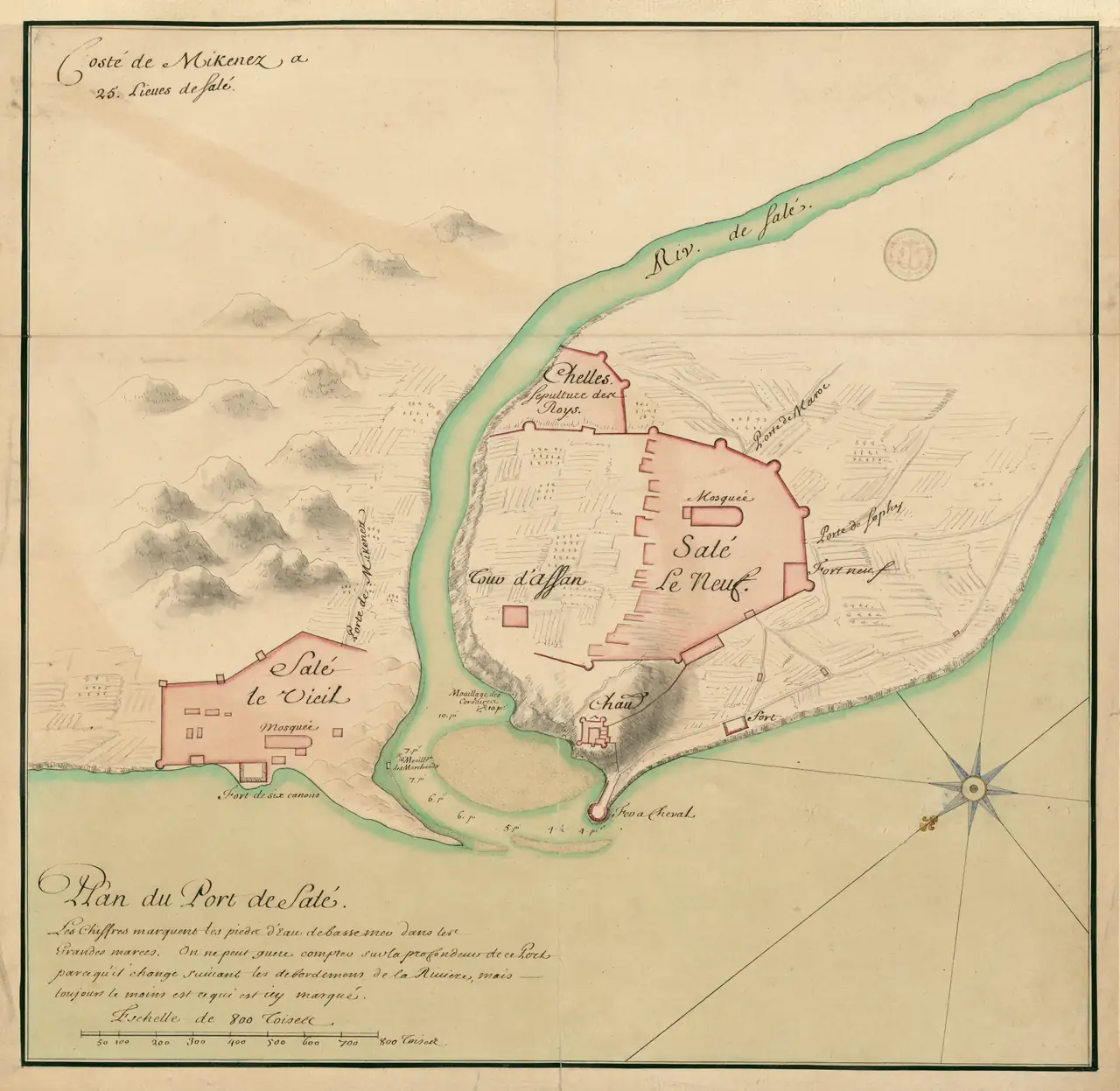
Salé and Rabat form a single conurbation, divided only by the Bouregreg. Two banks, two characters. Salé is the city that gave the other its name — Sala el Bali facing Sala Jdid — and that never needed to change its identity to survive. Across the river, Rabat became a capital: boulevards, embassies. Salé stayed itself. In the 17th century, the Moriscos expelled from Spain settled in Salé and founded, with the local corsairs, an independent Republic. The Andalusian quarter — still visible today — keeps the memory of that arrival. Even the stone is shared: the calcarenite used to build both cities has a name: the pierre de Salé, the Salé stone.

Salé SALA EL BALI Rabat SALA JDID BOUREGREG ATLANTIQUE
The Bouregreg separates the medina of Salé from the capital
1624 — 1668

History —
The Republic of Salé

Between 1624 and 1668, Salé was an independent Republic.

Founded by the Moriscos — Andalusian Muslims expelled from Spain — and the local corsairs, the Republic of Salé broke free from the Moroccan sultans and governed itself. Its corsairs raided European ships as far as Iceland and Ireland. Its ambassadors negotiated treaties with France, England, the Netherlands.

It was not a town of pirates.
It was a State.

Bab Mrissa — the Gate of the Little Sea — is its most visible testimony. This 13th-century Marinid sea gate opened straight onto a naval arsenal: corsair ships came into the medina fully laden, unloaded, and set out again.

Across from it, the Borj Adoumoue — the Bastion of Tears — watched over the river mouth. The European fleets that tried to force the passage did not always succeed.

Within the walls

What there is to see

01

The Almohad ramparts

The line of ochre stone that closes the medina, raised in the 12th century and standing ever since.

02

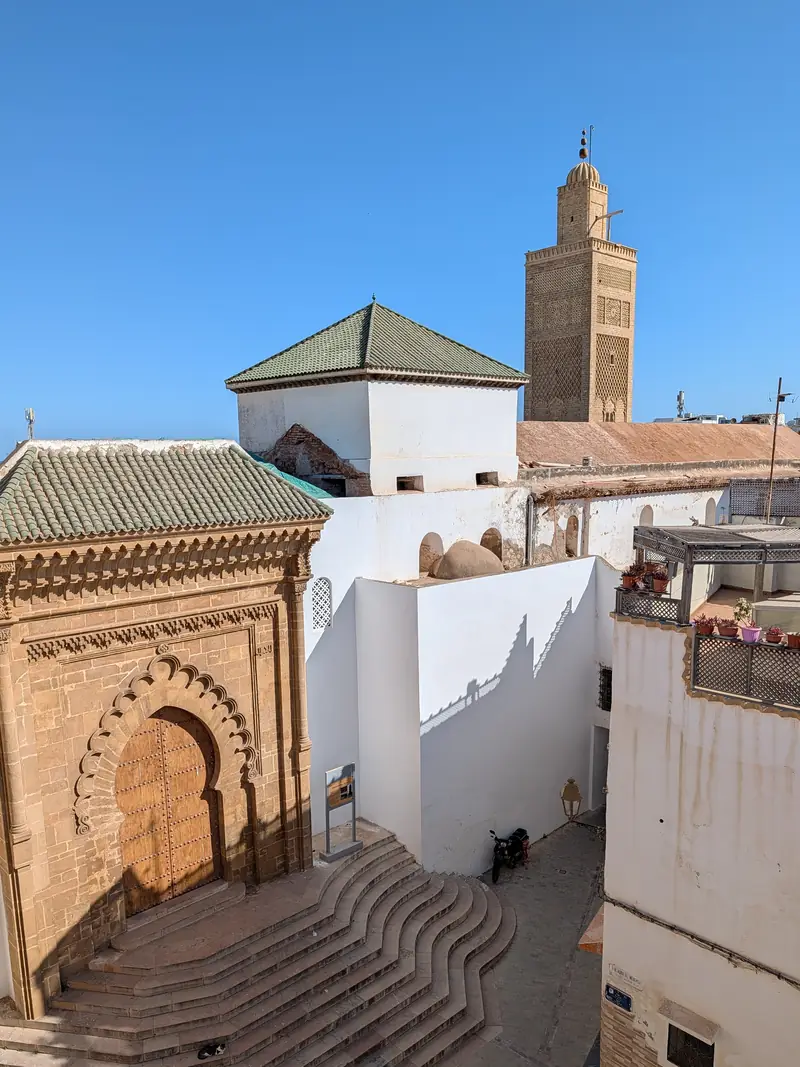
The Great Mosque

Among the oldest in Morocco. Built in the 13th century, its minaret watches over old Salé.

03

The Mausoleum of Sidi Abdellah ben Hassoun

The true patron saint of Salé. Protector of travellers, his mausoleum of blue-and-white zellige is one of the most intimate places in the medina.

04

The El Oulja Complex

A potters’ village on the banks of the Bouregreg. Local clays, hand wheels, wood-fired kilns — and basketry and ironwork workshops within the same walls. Home to the Tajines Slaouis: the glazed red earthenware that has made Salé’s pottery famous across Morocco.

05

The Qçatla Quarter

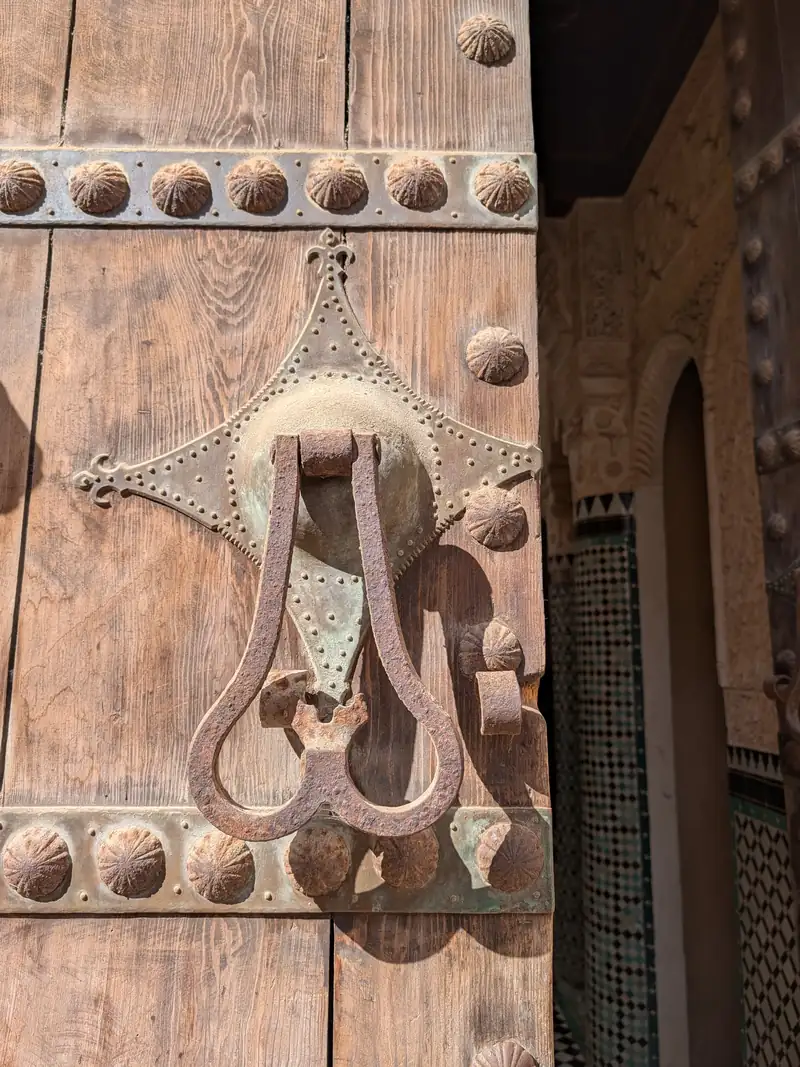
Qçatla — a corruption of Qashtala, Castile in Arabic. The old quarter of the Andalusian families, some present since the Marinid era, others arrived with the Morisco wave of the 17th century: Zniber, Fennich, Bensaid. No sign, no marker. Just alleys, worked doors, inner courtyards invisible from the street.

06

Bab Mrissa

The Gate of the Little Sea. Marinid, 13th century. Corsair ships came in straight from the ocean to unload in the medina. The naval arsenal is now being restored.

07

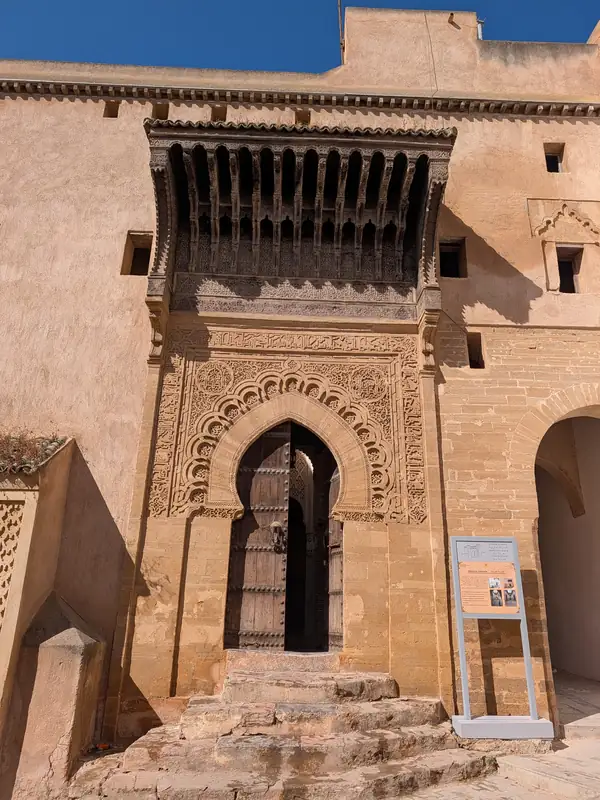
The Marinid Medersa

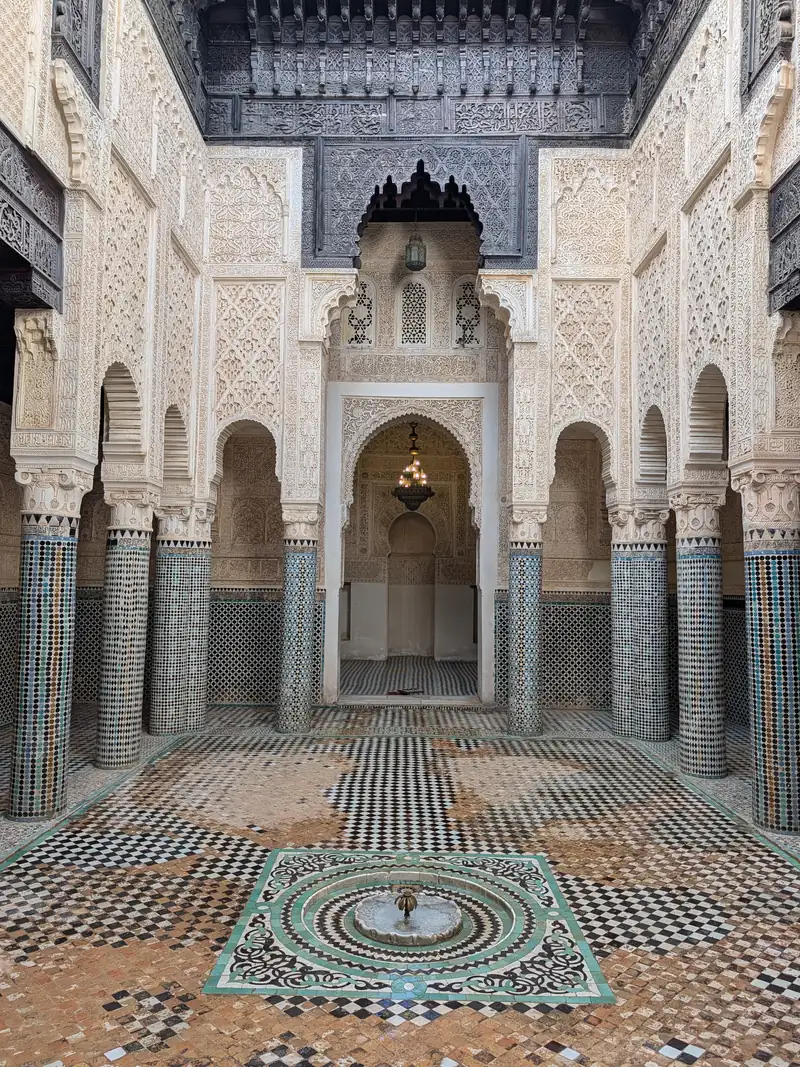
Built in 1341 under Sultan Abu al-Hasan. Chiselled stucco, carved cedar, zellige underfoot — one of the few Marinid monuments open to the public in Salé.

08

The Moussem of the Candles

An annual procession unique in Morocco, listed as national intangible heritage and a candidate for UNESCO inscription. On the eve of Mouloud, Salé parades by the light of giant candles carried by the brotherhoods.

09

The Tijani Zaouia

The Tijaniyya Sufi brotherhood radiates across all of sub-Saharan Africa from Salé. Closed to non-Muslims — but its silent presence shapes the whole quarter.

10

Bab Fès / Bab Lakhmiss

The oldest gate in Salé. Almohad era, 12th century. On the other side: the modern town. To turn around from outside and look back at the medina — that is the right gesture.

Planning your visit

Practical

Best time to visit

The medina of Salé can be visited year-round. The best period runs from March to November: the Atlantic tempers the summers, without the crushing heat of Marrakech or Fès. Winters are mild but the days are short.

Getting here

Rabat-Salé Airport (RBA), ten minutes by taxi — it sits on the Salé bank itself, so you land in the city. Recently expanded, it now serves a growing number of direct links with Europe. From Casablanca, the train serves Salé station directly. The Rabat-Salé tram connects both banks and serves the medina. The medina itself is explored on foot — no cars circulate within its walls.

دار المحيط

Almost all of Morocco’s landmark riads sit in inland cities — Marrakech, Fès, Meknès. Salé is an Atlantic medina.
The open sea is no backdrop: it is in the air, in the morning light, in the name of the riad.
Dar El Mouhit — the house of the ocean.

Opening soon

Dar El Mouhit opens soon
in this medina.